Reviving the Bourj Hammoud Groove: The Rediscovery of Ara Kekedjian
Darone Sassounian
11/15/2024
In Beirut’s Sunday markets, dusty boxes and hidden basements of defunct labels hold vinyl treasures from Lebanon’s golden musical age, waiting to be unearthed. Among the Rahbani brothers’ productions and rare psychedelic singles, one corner of Beirut’s sonic past has remained largely overlooked: the Armenian music of Bourj Hammoud.
Bourj Hammoud, a working-class district founded by Armenian refugees after the genocide, had its own ecosystem of studios, record shops, and labels in the 1970s. Its sound; equal parts diaspora nostalgia, pop experimentation, and dance-floor energy captured the resilience of a community that built culture from survival. While collectors scoured for Ziad Rahbani or Elias Rahbani records, few realized there was a parallel scene thriving just across town. That’s where Ara Kekedjian’s name kept resurfacing.
I grew up in an Armenian household in LA surrounded by tapes, CDs, and dubbed cassettes of diaspora music. One of my earliest memories is reaching for a homemade cassette labeled “Ara – Children’s Songs Vol. 2.” I didn’t know it then, but those playful, bouncy songs filled with syncopated organ riffs and joyful Armenian melodies were shaping my sense of identity. It was more than just children’s music, it was a way of being Armenian through sound. Years later, while compiling my 2021 project Silk Road: Journey of the Armenian Diaspora (1971–1982), I tried to track down Ara’s family to license a track but came up empty handed. Then, by chance, at a packed event in LA, I bumped into siblings Carla and George Kekedjian, who turned out to be Ara’s great niece and nephew. That moment sparked a chain of introductions leading back to Ara’s surviving family in both Los Angeles and Beirut.
An unexpected connection brought a long-held dream to life: Bourj Hammoud Groove, a collaboration between my label Rocky Hill Records and Habibi Funk, reviving the sound of a forgotten legend through shared nostalgia and cultural mission. Founded in Berlin by Jannis Stürtz (also co-founder of Jakarta Records), Habibi Funk is known for reissuing rare Arab and North African funk, soul, disco and jazz from the 1960s to 1980s.
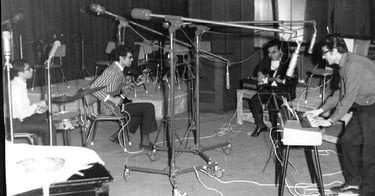
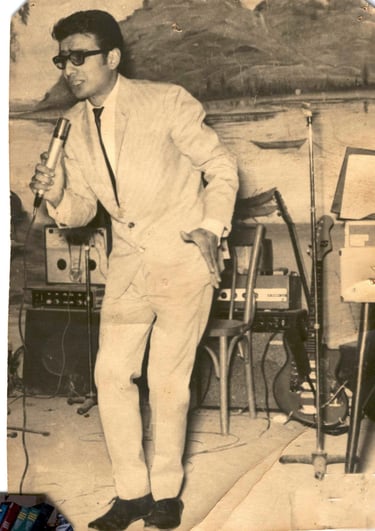
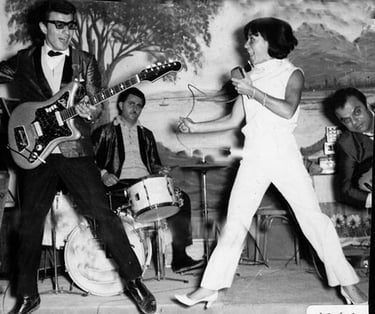
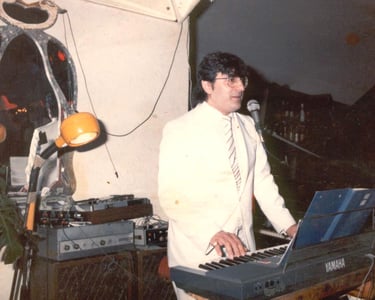
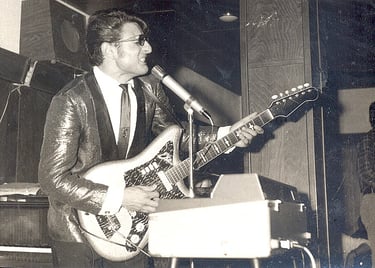
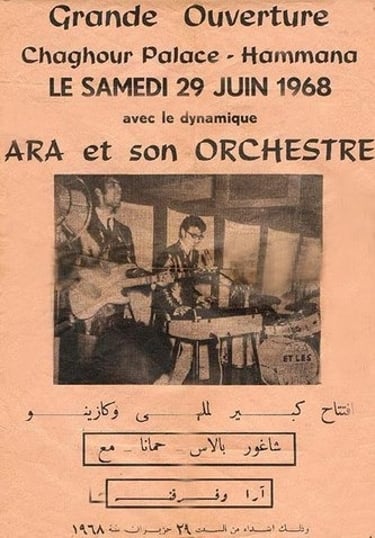
Born in 1946, Ara Kekedjian grew up in Bourj Hammoud, a neighborhood built from the ashes of exile. By his late teens, he had formed bands like Les Lunettes Noires and made history performing the first Armenian language song ever broadcast on Lebanese television. That victory set off a wave of pride among Beirut’s Armenians and opened the door for what would later be known as Estradayin - Armenian pop music blending traditional motifs with Western rock, soul and funk.
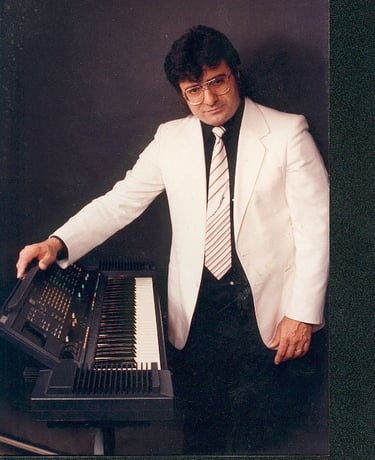
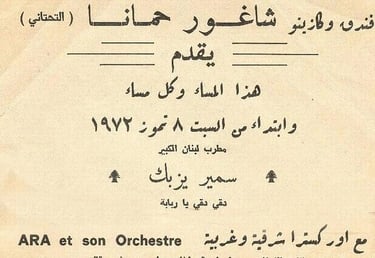
Kekedjian’s music was electric and theatrical. He’d perform with a Fender guitar slung behind his back, switch between electric organ and Rhodes, and infuse each show with an infectious joy. His singles like “Seta Seta” and “Ghapama” became underground anthems in Armenian clubs, mixing funk rhythms with folkloric melodies and the unmistakable energy of Bourj Hammoud’s Nightlife.
As Lebanon slid into civil war in the mid-1970s, Ara’s “Music Centre” shop became both refuge and headquarters, a place where musicians gathered to exchange ideas and instruments even as bombs fell nearby. He continued to record and perform for children and adults alike, determined to keep Armenian music alive through every hardship.
Kekedjian’s story, like that of Bourj Hammoud itself, is one of endurance. Despite his declining health and the devastation of war, he never left his neighborhood. He passed away in 2011, leaving behind no spouse or children, only the echoes of his songs and the deep imprint he left on a generation. For myself and Jannis, Bourj Hammoud Groove is more than a reissue; it’s a cultural homecoming. Ara’s work represents what happens when heritage, rhythm and defiance meet. It’s Armenian, it’s Lebanese, it’s funk, it’s everything at once.
Today, Bourj Hammoud remains a mosaic of bakeries, record shops, and stories. And through the grooves of Ara Kekedjian’s music, the neighborhood’s pulse still beats a reminder that from exile came not only survival, but a sound that refuses to fade.